Protecting Your Blackpool Roof from Irish Sea Wind and Salt
Blackpool is a town shaped by the sea, and its famously bracing weather is part of the deal. The wind that whips along the promenade and the salt air that gives the seafront its character also test every roof in the town. A roof here works harder than one sheltered inland, facing powerful Irish Sea gales, driving rain and a constant salty dampness. Protecting it means understanding exactly what it is up against.
For Blackpool homeowners, a little knowledge and a little maintenance go a long way towards keeping a roof sound through whatever the sea sends. In this guide we look at how the coastal climate affects your roof, the particular problems it causes, and the practical steps that keep your home protected through the storms and the salt.
The quick answer: Blackpool's exposed seafront batters roofs with powerful wind-driven rain, gales and salt-laden air, which loosens tiles, drives water into gaps, blocks gutters and feeds algae. Protecting your roof means keeping it clean, clearing the gutters, checking for loose or slipped tiles, and dealing with growth before the winter storms arrive.
1. Powerful wind-driven rain and gales
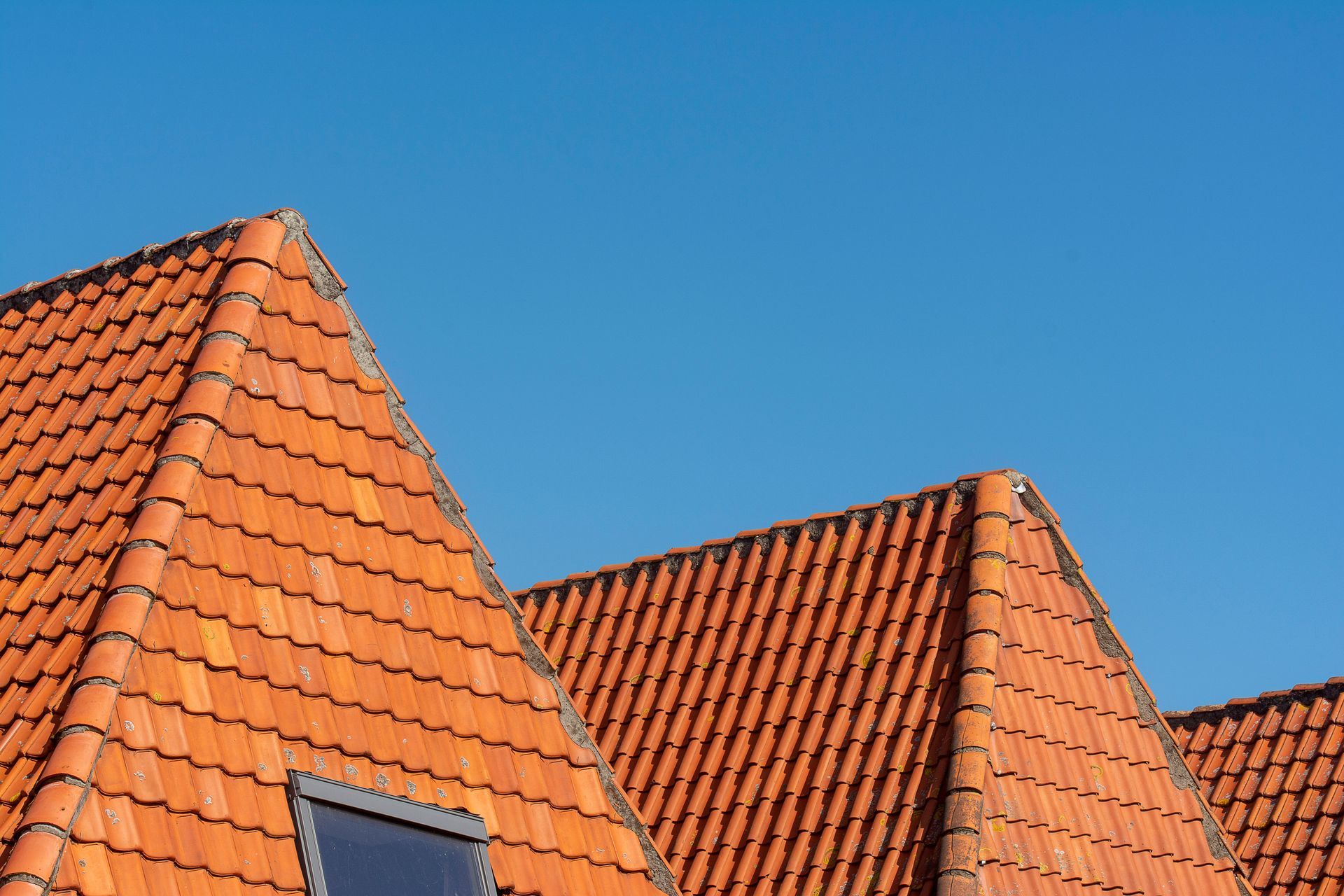
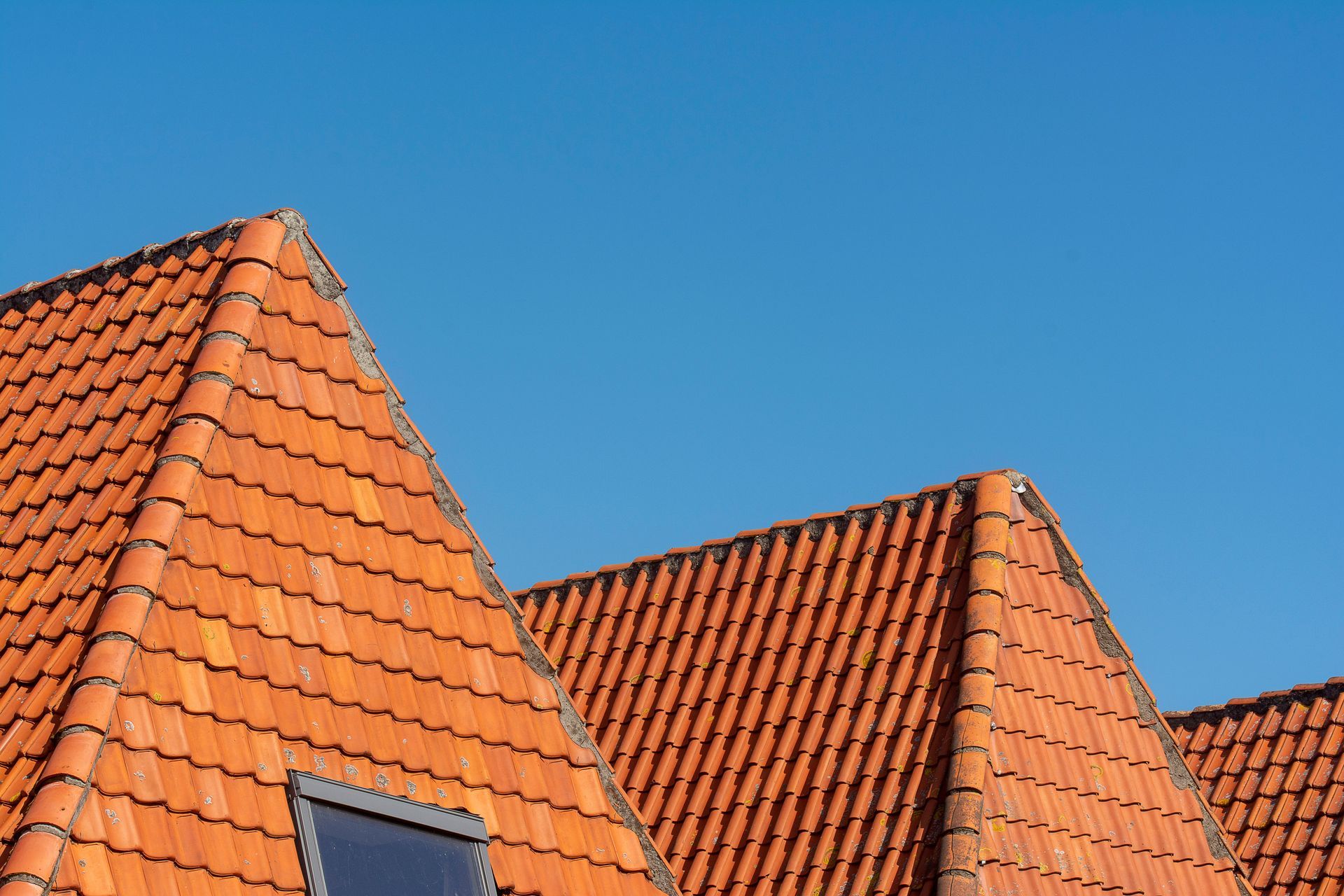
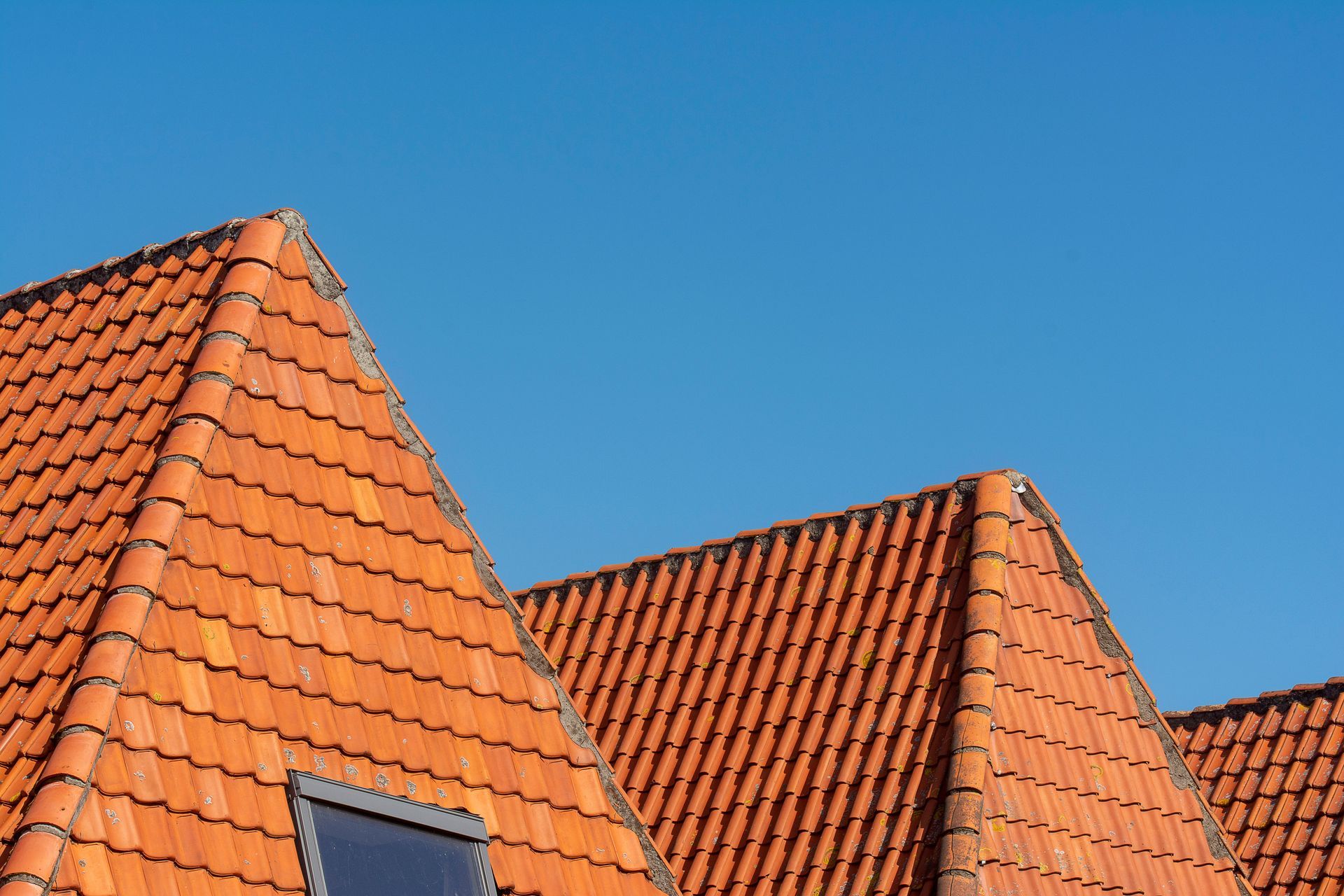
The most obvious challenge Blackpool's coastal position brings is wind, and plenty of it. Sitting on the flat, open Fylde coast with nothing to break the weather coming in off the Irish Sea, the town is one of the windier places in the country, especially through autumn and winter. Strong wind does two things to a roof: it can physically lift, loosen or dislodge tiles, and it drives rain horizontally, forcing water into gaps and under coverings where ordinary rain would never reach.
This combination of wind and rain is why coastal roofs need to be in good repair. A tile that is slightly loose in calm weather can be lifted clear by a Blackpool gale, and once one is gone the wind finds its way under the next. Wind-driven rain then pours in through the gap. Keeping tiles sound and secure is the first line of defence against the Irish Sea weather, and it is why regular checks matter so much on this exposed coast.
2. The effect of salt air
Right on the seafront, Blackpool has salt in its air, carried inland on the sea winds. That salty, humid air is a constant presence, and it has a slow but real effect on a roof. The persistent dampness it brings feeds algae, contributing to the dark streaks common on seaside roofs, and the salt itself can accelerate the weathering of some materials and fixings over time.
There is no avoiding the salt air when you live by the sea, but its effects can be managed. Regular cleaning removes the salt-fed algae and grime before it becomes ingrained, and keeping an eye on the condition of fixings and flashings catches any weathering early. A roof that is kept clean and maintained copes with the salt air far better than one that is neglected.
3. Blocked gutters and heavy rainfall
Blackpool's damp climate means gutters here handle a great deal of water, and when they block the consequences come quickly. Debris washing down from the roof, mixed with leaves, fills gutters and stops them draining. In a heavy, wind-driven downpour a blocked gutter overflows at once, sending water down the walls and around the foundations exactly when the weather is at its worst, and the wind drives that overflow hard against the building.
Because the rain is frequent and often driven by strong winds, keeping gutters clear is especially important here. Gutters that are cleared before the winter storms can cope with the downpours; gutters left full will overflow with every heavy rain. This simple piece of maintenance prevents a surprising amount of weather-related damage on the coast.
4. How growth makes weather damage worse
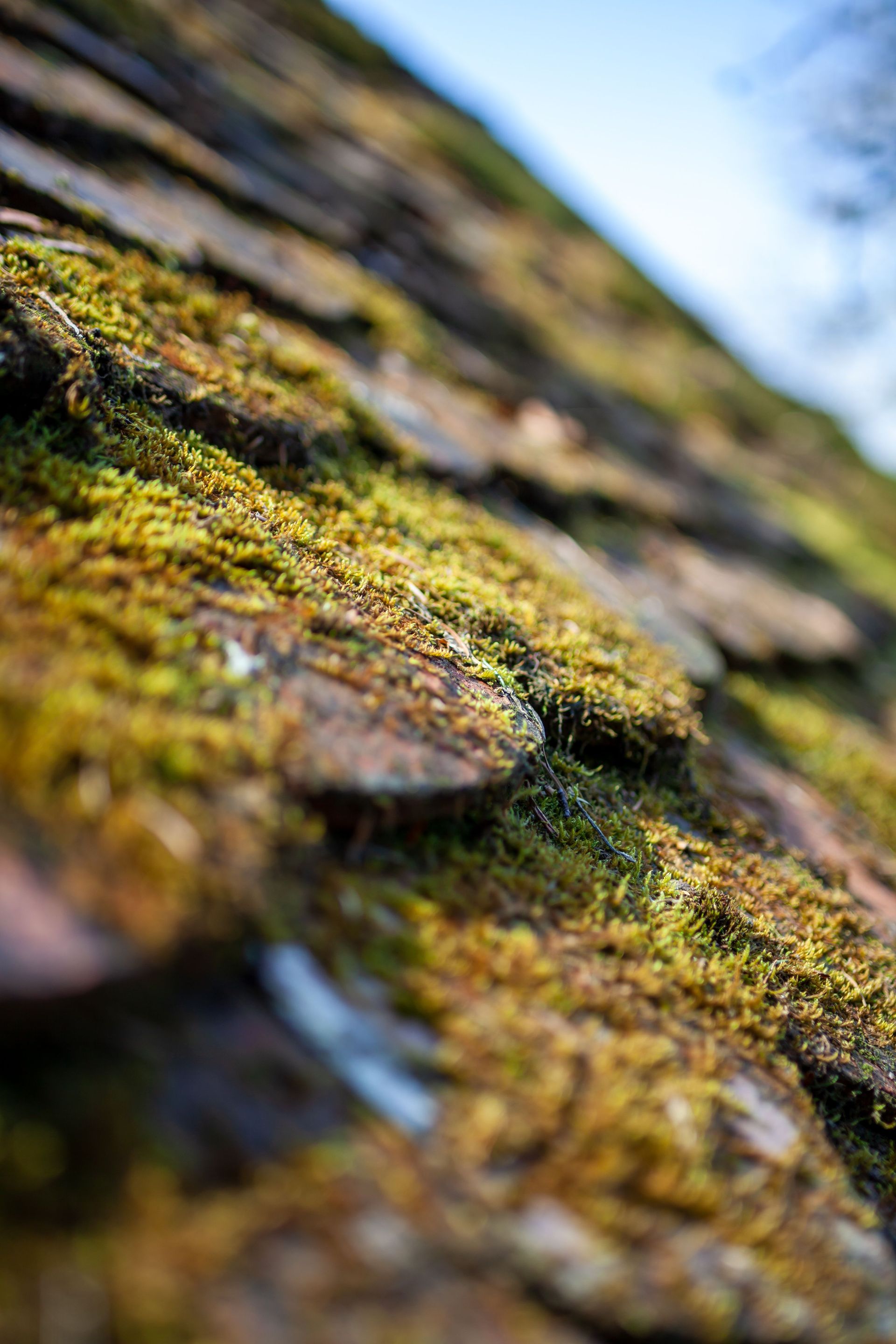
Moss and algae, which Blackpool's damp coastal climate encourages so readily, do more than stain a roof; they make it more vulnerable to the weather. Moss holds water against the tiles, keeping them wet, and clumps of it break away in wind and rain to block the gutters below. On any roof, moss lodged around the tiles can interfere with how water sheds, giving wind and driving rain an easier way in.
Dealing with growth is therefore part of protecting a roof from the weather, not just a matter of appearance. A clean, moss-free roof sheds water properly, keeps its coverings sitting tight, and gives the wind and rain less to work on. Removing growth before the winter storms leaves the roof in the best possible shape to face them.
5. Preparing for the winter storm season
The sensible time to get a Blackpool roof ready for the weather is before the worst of it arrives, in late summer or early autumn. That means clearing the gutters so they can handle the winter rain, having the roof cleaned and treated to remove moss and algae, and checking for any loose, slipped or cracked tiles that a gale could turn into a bigger problem. Dealing with these things in calmer weather is far easier than reacting to damage mid-storm.
A professional visit before the storm season can combine all of this: a gutter clear, a soft wash to remove growth, and an inspection that catches the vulnerable spots. Going into a Blackpool winter with a clean, clear, sound roof means facing the coastal weather with confidence rather than crossing your fingers every time a storm is forecast.
6. Why professional help makes sense on this coast
Coastal roof work carries the ordinary risks of working at height, made worse by the fact that the most weather-vulnerable spots, the ridges, the flashings around chimneys and the valleys, are the hardest and most dangerous to reach. Add in Blackpool's strong, unpredictable winds, and roof work is genuinely not a job to tackle from a ladder on a breezy day.
A professional has the equipment to reach the whole roof safely and the experience to know what coastal weather does to a roof and where to look for trouble. They can clean, treat and check the roof in one visit, spotting the early signs of weather damage that a homeowner would miss. On the exposed Fylde coast, that expertise is well worth having.
- Wind is the big threat: Blackpool's open coast means gales lift loose tiles and drive rain into gaps.
- Salt air feeds algae: coastal moisture stains roofs and weathers fixings over time.
- Clear the gutters: wind-driven rain overwhelms blocked gutters fast.
- Remove growth first: moss makes a roof more vulnerable to wind and water.
- Prepare before winter: clean, clear and check the roof before the storm season.
Frequently Asked Questions
How does coastal weather damage a roof in Blackpool?
Irish Sea gales can lift and dislodge tiles and drive rain horizontally into gaps, while salt air feeds algae and weathers fixings over time. Heavy, wind-driven rainfall overwhelms blocked gutters. Together these put far more stress on a Blackpool roof than an inland one faces.
Is Blackpool really that windy?
Yes. Sitting on the flat, open Fylde coast with nothing to break the weather coming off the Irish Sea, Blackpool is one of the windier places in the country. Strong wind lifts loose tiles and drives rain into any gap, so secure, well-maintained roofs matter here.
Does salt air really harm my roof?
Over time, yes. The persistent salty dampness feeds the algae that streaks seaside roofs and can accelerate the weathering of some materials and fixings. Regular cleaning and maintenance manage these effects and keep the roof in good condition despite the salt.
When should I prepare my roof for winter storms?
Late summer or early autumn is ideal, before the worst weather arrives. Clearing the gutters, cleaning off moss and algae, and checking for loose tiles in calmer weather leaves the roof ready to face the winter gales and heavy rain.
Should I check my roof myself after a storm?
You can look from the ground for obviously slipped or missing tiles, but climbing up is risky, especially in Blackpool's unsettled, windy weather. It is safer to have a professional check the roof, as they can reach and inspect the vulnerable spots properly.
Want your Blackpool roof ready for the coastal weather?
At Ben's Roof Cleaning we clean, treat and check roofs so they are ready to face the salt, wind and rain of the Fylde coast. With over 15 years of experience, we know exactly what local weather demands of a roof. Get in touch or call 01253 201397
for a free, no-obligation quote.
Respect the weather and your roof will weather it well
Blackpool's bracing coastal weather is part of the character of living by the Irish Sea, and there is no changing it. What you can change is how ready your roof is to meet it. Keep it clean, keep the gutters clear, deal with growth and loose tiles before the storms, and your roof will stand up to the wind, rain and salt that test it year after year. A little preparation is all it takes to face the coastal weather with confidence.